The Compactness vs. Endurance Equation
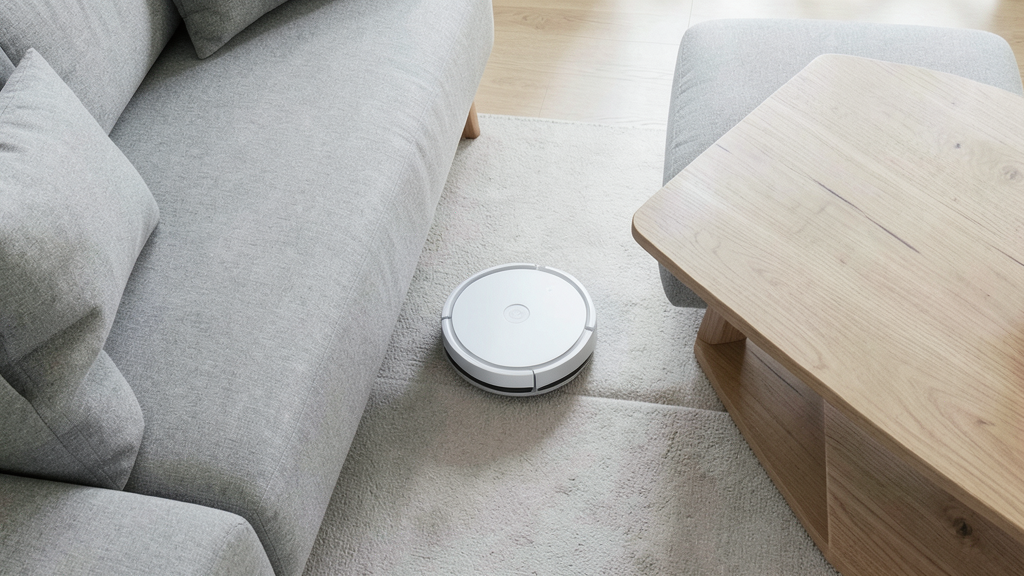
Choosing a robot vacuum often involves a fundamental tension between physical footprint and battery endurance. For many users, a smaller device is preferable because it can navigate tighter spaces, slide under low-profile furniture, and occupy less floor space when docked. The SwitchBot K11+ Pro leans into this compact philosophy, measuring just under 10 inches wide and roughly 3.6 inches tall.
The practical consequence of this smaller form factor is a potential limitation in battery capacity compared to larger, bulkier models. In a large, multi-room home, a smaller battery may mean the device returns to its dock more frequently to recharge. While the K11+ Pro can store up to five distinct maps for different floors, the frequency of these 'recharge cycles' depends heavily on the total square footage and the intensity of the cleaning modes used.
For readers with sprawling layouts, this means the robot may perform 'segmental' cleaning—finishing one area, recharging, and then resuming the next—rather than completing a full house in one continuous pass. If your goal is a single, uninterrupted cleaning session for a large area, the smaller footprint may require more patience as the device manages its power levels.
Navigation and Suction Dynamics
To compensate for its size, the K11+ Pro utilizes high-precision hardware for navigation. It employs LiDAR for mapping and route planning, which allows it to 'see' the layout of a room more accurately than basic bumper-based sensors. This is reinforced by a close-range sensor designed to detect specific obstacles like furniture legs and wall edges.
Performance-wise, the device offers a peak suction rate of up to 12,000Pa in its Max mode. It is important to distinguish this peak figure from daily operation. While Max mode provides significant power for heavy debris, the device also includes a Quiet mode operating at approximately 45dB. For most standard household maintenance, the robot will likely operate at lower power levels to preserve battery life and reduce noise.
The mechanical design also addresses common maintenance hurdles. By using an all-rubber main brush and a two-arm side brush, the K11+ Pro aims to minimize hair wrap, which can often stall smaller motors. This hardware choice suggests a focus on reducing the need for manual intervention, even if the device's physical size limits its total runtime.
Invisible Automation through Matter Integration
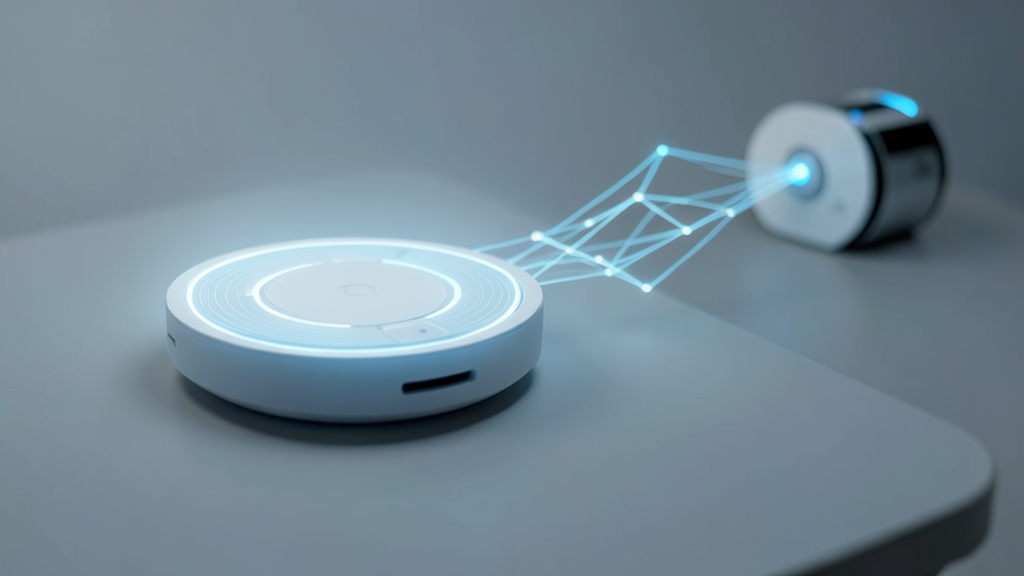
A significant shift in the SwitchBot K11+ Pro is its support for Matter over Wi-Fi. This technology facilitates a move toward 'invisible' smart home integration. For the end user, this means the complexity of LiDAR mapping and deep configuration remains tucked away in the dedicated SwitchBot app, while the execution layer becomes much simpler.
Because it supports Matter, the K11+ Pro can pair directly with systems like Apple Home. This allows for voice-activated commands and basic section cleaning without needing to open a third-party app every time you want to start a task. However, there is a functional boundary: while you can trigger a specific room's cleaning via a smart home hub, the initial setup, no-go zones, and virtual walls still require the primary app.
This creates a tiered user experience. It offers the convenience of a simplified interface for daily use while retaining the granular control of a dedicated management tool for the heavy lifting of home organization.
Evaluating Your Household Needs
When deciding if the K11+ Pro fits your home, the most important factor is your specific cleaning workflow. If you live in an apartment or a home with many small rooms, the compact size and multi-map support are significant advantages. The ability to create virtual walls and no-go zones via the app allows you to customize its path regardless of its smaller battery.
If you have a very large, open-concept floor plan, you should consider how often you are willing to let the robot return to its dock. Since the dust bag in the self-emptying dock is rated for up to three months (depending on usage), the maintenance cycle is relatively long, but the cleaning cycle will be dictated by the balance between the 12,000Pa peak power and the device's physical size.
Ultimately, the K11+ Pro is designed for users who value a low-profile presence and seamless smart home connectivity over the 'marathon' cleaning capabilities of larger, more cumbersome units. It prioritizes being a manageable part of the home's ecosystem rather than a standalone heavy-duty appliance.